

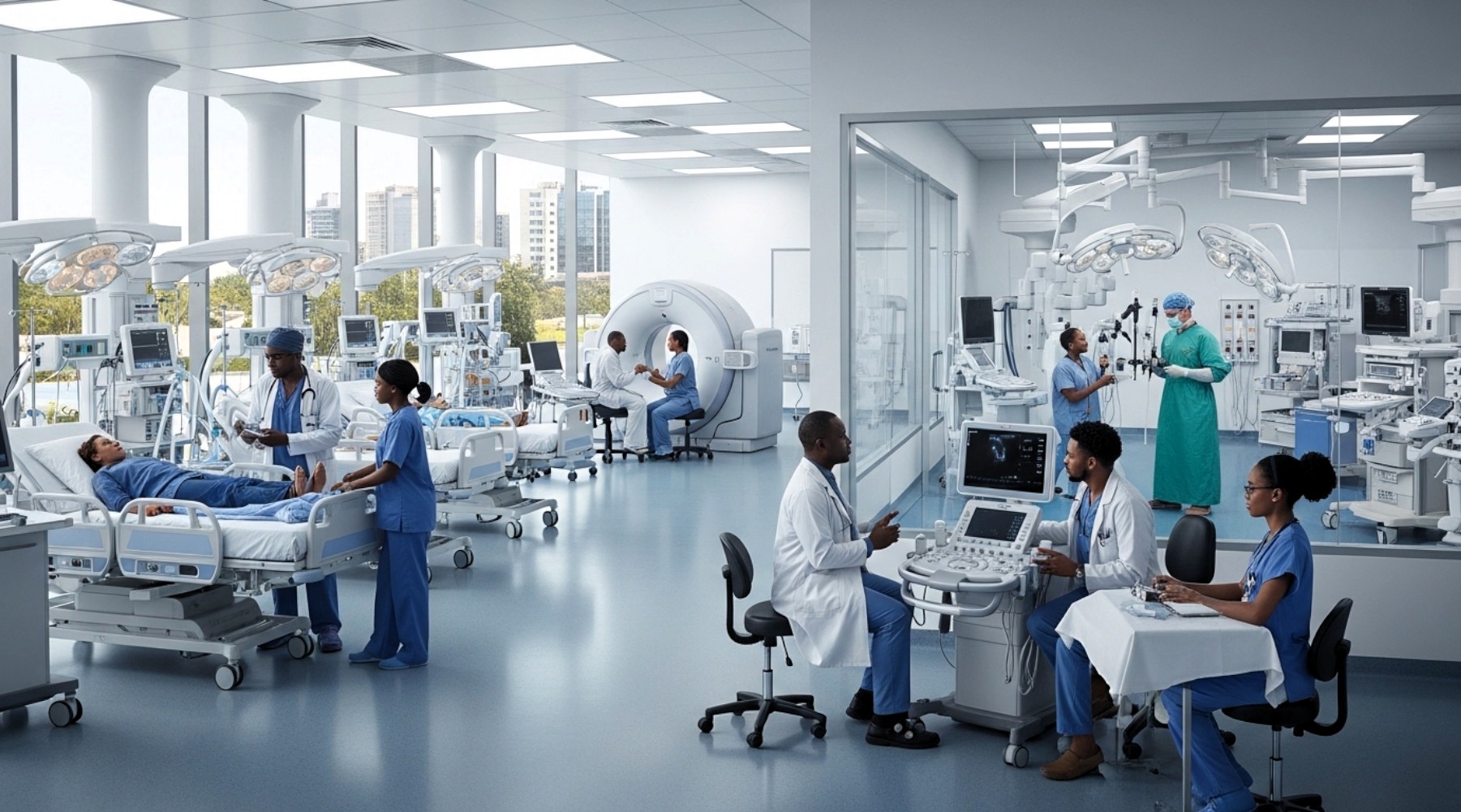
The African medical device market has experienced significant growth over the last decade, driven by population expansion, urbanization, rising healthcare awareness, and increasing investments in public and private healthcare infrastructure, making medical device companies in Africa a critical component of the continent’s evolving healthcare ecosystem.
Across Africa, hospitals, clinics, diagnostic centers, and government healthcare institutions depend on a combination of local manufacturers, regional distributors, and international medical device suppliers to meet the growing demand for diagnostic, therapeutic, and life-support equipment, while also navigating budget constraints, regulatory diversity, and logistical complexities.
While several African countries have developed local medical device manufacturing and assembly capabilities, the market remains heavily reliant on imports, particularly for advanced medical equipment, imaging systems, ICU devices, and operating room technologies, creating strong opportunities for international medical device exporters, especially from Turkey.
Africa represents one of the fastest-growing healthcare markets globally, with medical device demand fueled by:
Expansion of private hospitals and clinics
Government-led healthcare infrastructure projects
Increased foreign investment in healthcare
Rising prevalence of chronic and non-communicable diseases
Medical tourism growth in selected regions
Despite these positive trends, many African healthcare providers face challenges related to equipment affordability, maintenance, and access to reliable after-sales support, which directly influences how medical device companies in Africa structure their sourcing strategies.
Local manufacturing in Africa is primarily focused on basic medical devices such as hospital furniture, consumables, syringes, gloves, basic surgical instruments, and simple diagnostic tools, often serving domestic markets with cost-sensitive products.
Countries such as South Africa, Egypt, Kenya, and Nigeria have more developed local manufacturing ecosystems, although advanced technology production remains limited.
Distributors play a crucial role in the African medical device supply chain by importing, warehousing, and distributing medical equipment to hospitals, clinics, and laboratories, often representing multiple international brands while providing localized sales and technical support.
These distributors typically manage regulatory approvals, import licenses, and service coordination, making them key decision-makers when sourcing medical devices internationally.
Due to limited local production of advanced equipment, many African healthcare providers rely on international exporters from Europe, Asia, and increasingly Turkey, who offer a balance between quality standards, pricing, and export flexibility.
Turkish medical device companies have emerged as preferred partners thanks to CE-certified production, competitive pricing, and geographic proximity to Africa.
Countries such as Ghana, Nigeria, Senegal, and Côte d’Ivoire are investing heavily in private healthcare facilities, driving demand for hospital equipment, diagnostic devices, and refurbished medical systems suitable for high patient volumes.
Kenya, Ethiopia, Tanzania, and Uganda represent rapidly growing healthcare markets where cost-effective, durable medical equipment is essential for both public and private healthcare institutions.
Egypt, Morocco, and Tunisia have relatively advanced healthcare systems with higher regulatory requirements and growing interest in European-standard medical devices.
South Africa remains the most developed medical device market in Africa, serving as a regional hub for distribution, training, and service operations.
Despite strong demand, medical device companies operating in Africa face several challenges:
Diverse regulatory frameworks across countries
Limited access to skilled biomedical engineers
Budget constraints in public healthcare systems
Infrastructure and logistics complexities
Need for long-term maintenance and spare parts availability
These challenges have encouraged African buyers to seek suppliers that can provide not only equipment but also technical documentation, training, and post-sale support.
Turkey has become a strategic sourcing hub for African medical device companies and healthcare investors due to several key advantages:
Turkish medical devices are typically CE-certified and manufactured according to ISO standards, ensuring safety, reliability, and international compliance.
Compared to Western Europe and North America, Turkish suppliers offer cost-effective solutions without compromising quality, making them ideal for budget-sensitive African healthcare projects.
Turkey is a global leader in professionally refurbished medical devices, offering high-quality imaging systems, ICU equipment, and diagnostic devices that extend equipment lifecycle while reducing capital expenditure.
Istanbul’s strategic location enables efficient shipping to Africa via air, sea, and land routes, reducing lead times and transportation costs.
Turkish exporters often provide complete hospital and clinic equipment packages, including planning, installation coordination, and technical support.
Hospital beds and furniture
ICU and critical care equipment
Patient monitoring systems
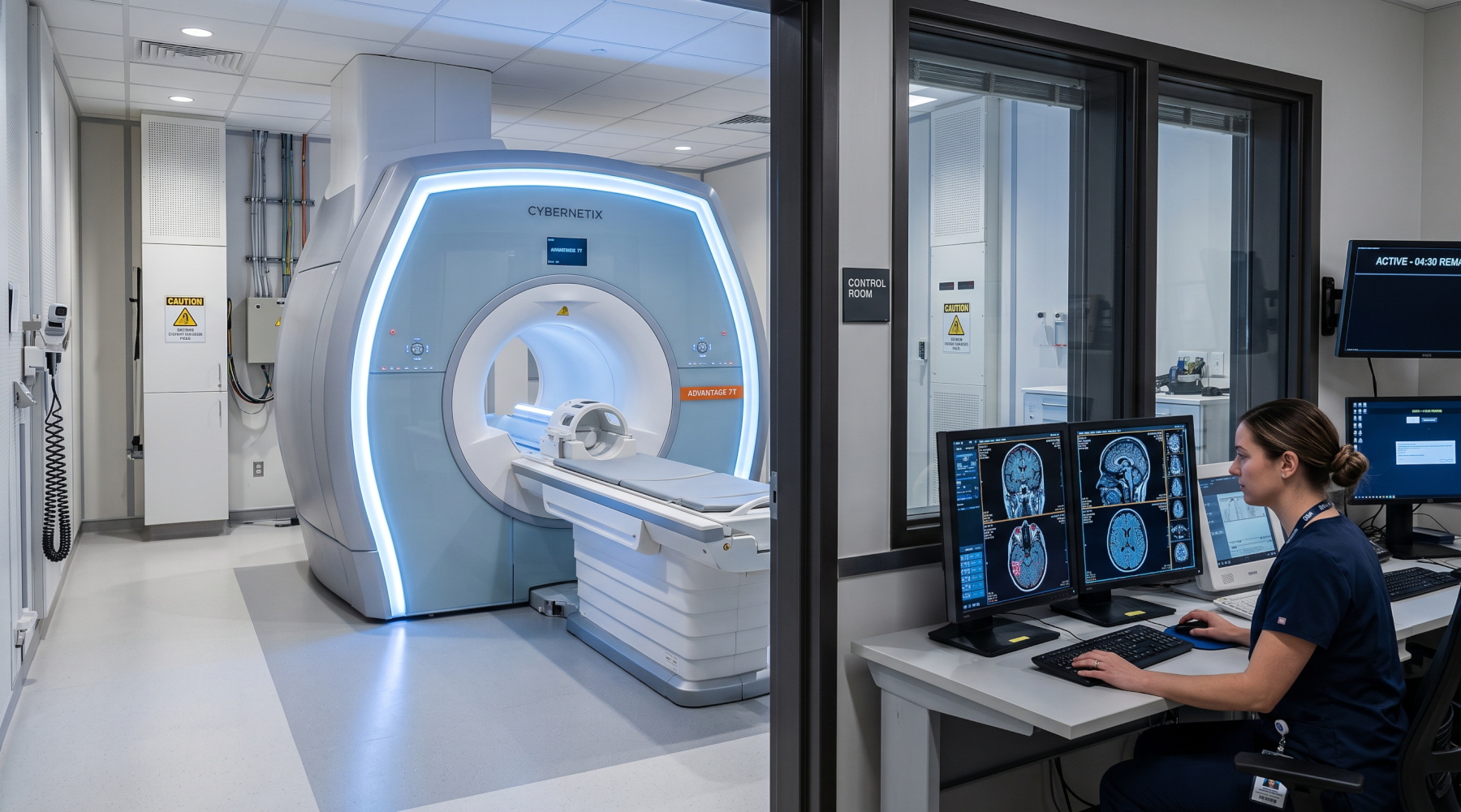
Diagnostic imaging devices
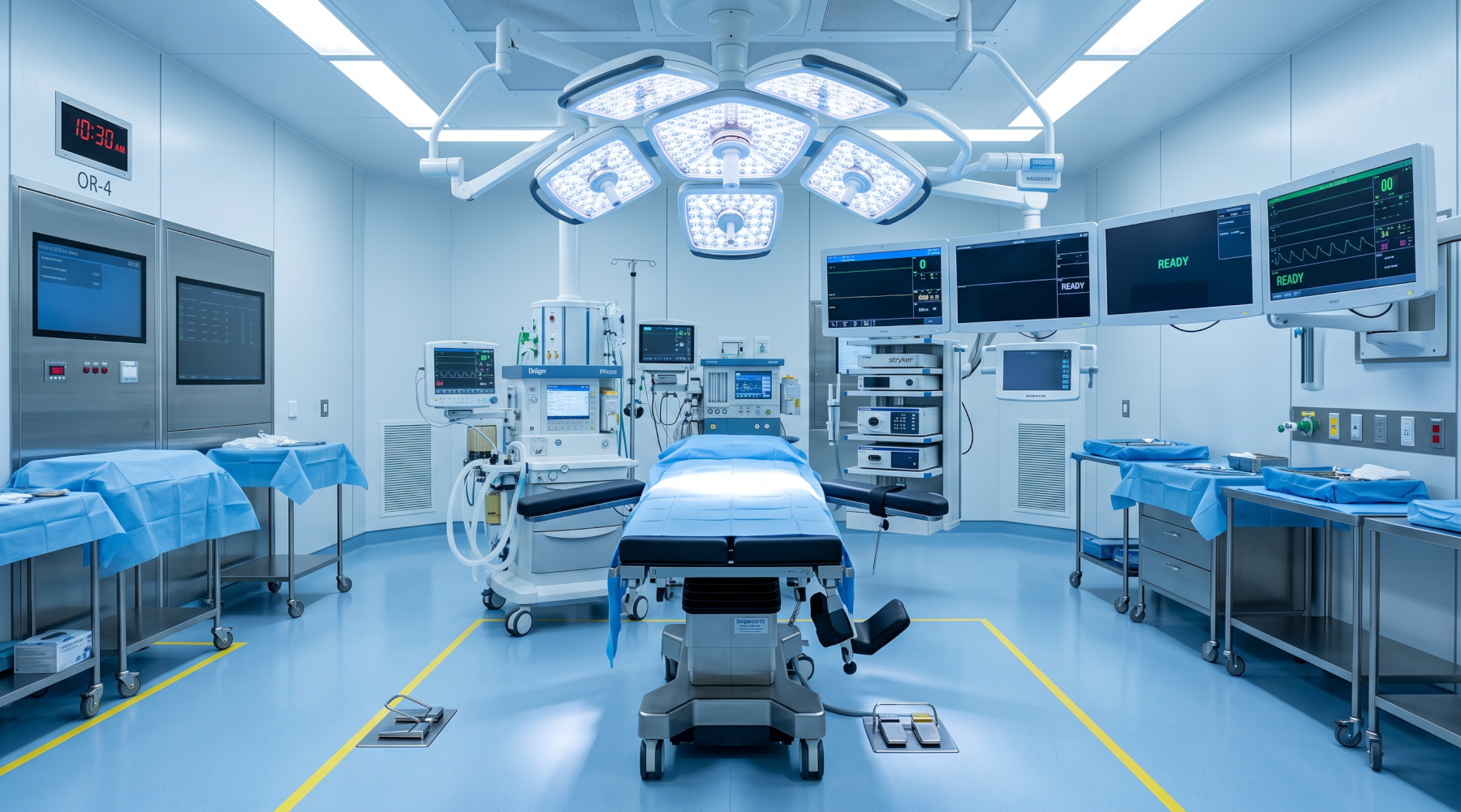
Operating room equipment
Laboratory and pathology systems
Medical consumables and disposables
Refurbished medical equipment
These categories are commonly sourced through international suppliers due to limited local manufacturing capacity.
Refurbished medical devices play a crucial role in improving healthcare access across Africa, allowing hospitals and clinics to acquire advanced technology at significantly lower costs while maintaining clinical performance and safety standards.
Professional refurbishing processes typically include full technical inspection, replacement of worn components, calibration, performance testing, and certification, making refurbished devices a sustainable and economically viable option for African healthcare providers.
Each African country has its own regulatory authority governing medical device imports, often requiring documentation such as:
CE certificates
Free Sale Certificates
Technical files
User manuals
Import permits
Experienced exporters assist African buyers by preparing compliant documentation and supporting regulatory approval processes.
When selecting international suppliers, African medical device companies typically evaluate:
Product quality and certifications
Pricing and payment terms
Availability of spare parts
Technical support and training
Export experience and logistics capabilities
Long-term partnership potential
Turkish suppliers often meet these criteria by offering integrated export solutions rather than standalone product sales.
The African medical device market is expected to continue growing due to:
Healthcare infrastructure development
Increased healthcare funding
Expansion of private healthcare networks
Demand for modern diagnostics and treatment
International partnerships, especially with Turkey-based exporters, will play a vital role in shaping the future of medical device availability across the continent.
Medical device companies in Africa operate within a rapidly evolving healthcare environment that demands reliable equipment, cost efficiency, and long-term technical support, making international partnerships essential for sustainable growth.
By sourcing medical devices from Turkey, African hospitals, clinics, and distributors gain access to European-quality equipment, competitive pricing, refurbished solutions, and export-ready logistics, enabling them to improve healthcare outcomes while optimizing budgets.
For African medical device companies seeking trusted international suppliers, Turkey stands out as a strategic partner capable of supporting both current healthcare needs and future expansion plans.
A comprehensive guide to setting up a hospital radiology department. Discover key imaging devices like MRI, CT, X-Ray, Ultrasound, and infrastructure needs.
Explore the ultimate guide to Operating Room (OR) equipment. Learn about surgical tables, anesthesia machines, lighting, and turnkey OR setup solutions.
Discover why Turkey is the leading hub for medical equipment export. Explore turnkey hospital solutions, logistics to Africa & MENA, and top device categories.