

Hospitals, clinics, laboratories and medical distributors in Tunisia require reliable medical equipment to provide effective healthcare services. From diagnostic imaging and laboratory systems to operating room equipment, intensive care devices and sterilization systems, healthcare facilities need access to dependable technology throughout their operational life.
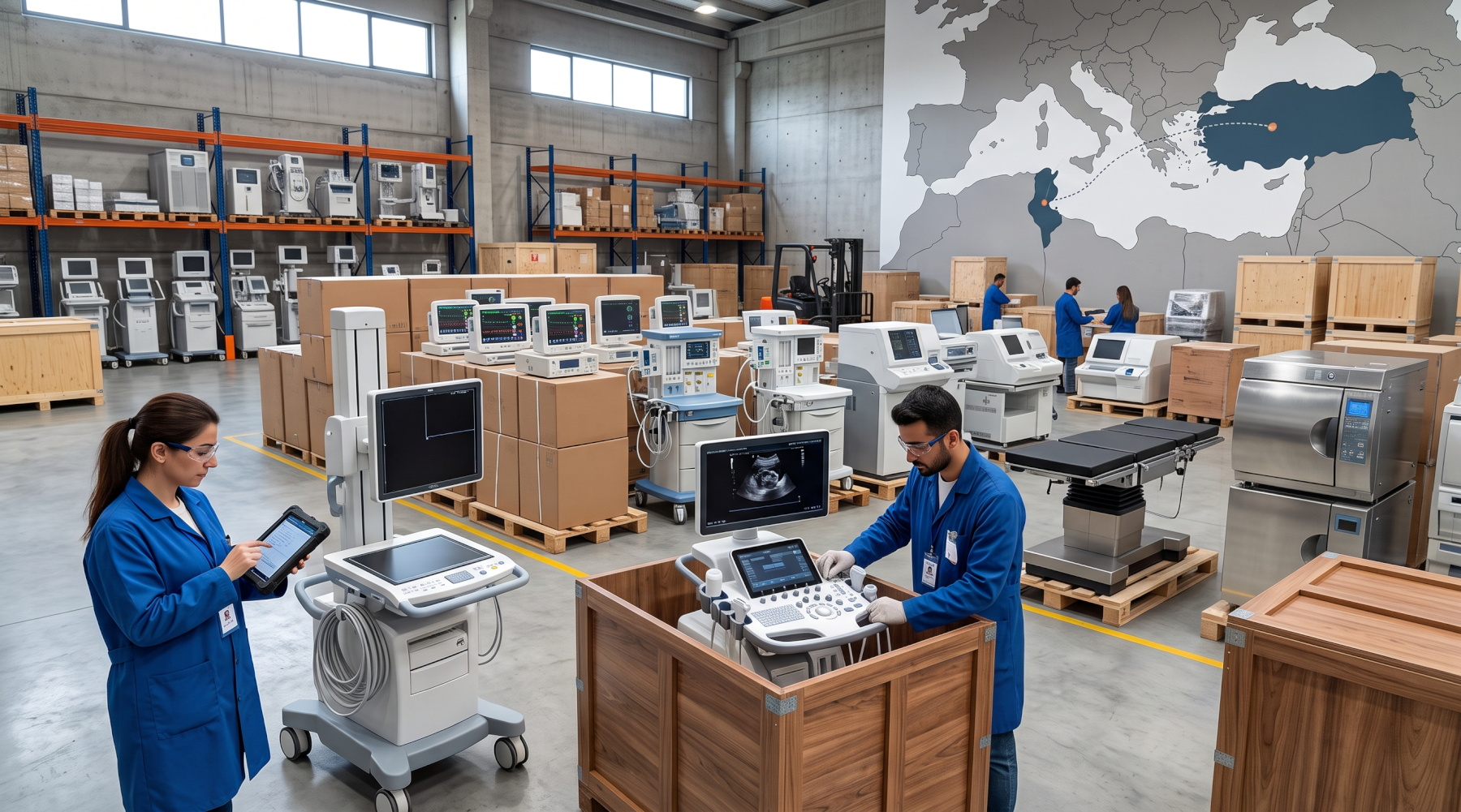
For Tunisian healthcare buyers, international sourcing can provide access to a broader range of products and suppliers. Turkey is an important sourcing destination for medical equipment, offering a diverse healthcare market and strong international trade connections. For Tunisian hospitals, clinics and distributors, medical equipment from Turkey to Tunisia can represent an opportunity to source new medical devices, professionally refurbished equipment, hospital systems, laboratory equipment, medical consumables and technical services.
MAK MEDIKAL is a Turkey-based medical equipment and healthcare solutions company serving international customers with medical devices, refurbished medical equipment, hospital setup solutions and biomedical technical services. This guide explains how Tunisian healthcare organizations can approach medical equipment procurement from Turkey.
There are several reasons why Turkey can be considered by Tunisian healthcare buyers.
Turkey has a large healthcare ecosystem involving manufacturers, distributors and specialized medical companies. This provides access to a broad selection of healthcare equipment. Potential categories include:
Medical devices
Imaging equipment
ICU equipment
Operating room equipment
Laboratory equipment
Sterilization equipment
Emergency equipment
Medical consumables
Hospital furniture
Refurbished medical equipment
Healthcare organizations often have different investment levels. Some projects require advanced new technology, while others prioritize reliable and cost-effective equipment. Sourcing from Turkey allows buyers to evaluate different procurement options according to their project requirements.
Turkey's location between Europe, Asia, the Middle East and North Africa supports international trade. For Tunisia, its Mediterranean location creates an important regional connection for international commerce.
Medical equipment requires technical knowledge throughout its lifecycle. Installation, maintenance, calibration, spare parts and troubleshooting can all be important after the initial purchase. Working with a supplier that understands these requirements can provide additional value.
The equipment required depends on the healthcare facility. However, the following categories are commonly relevant to hospital and clinic procurement.
Imaging equipment may include:
Digital X-ray systems
Mobile X-ray systems
Ultrasound machines
CT systems
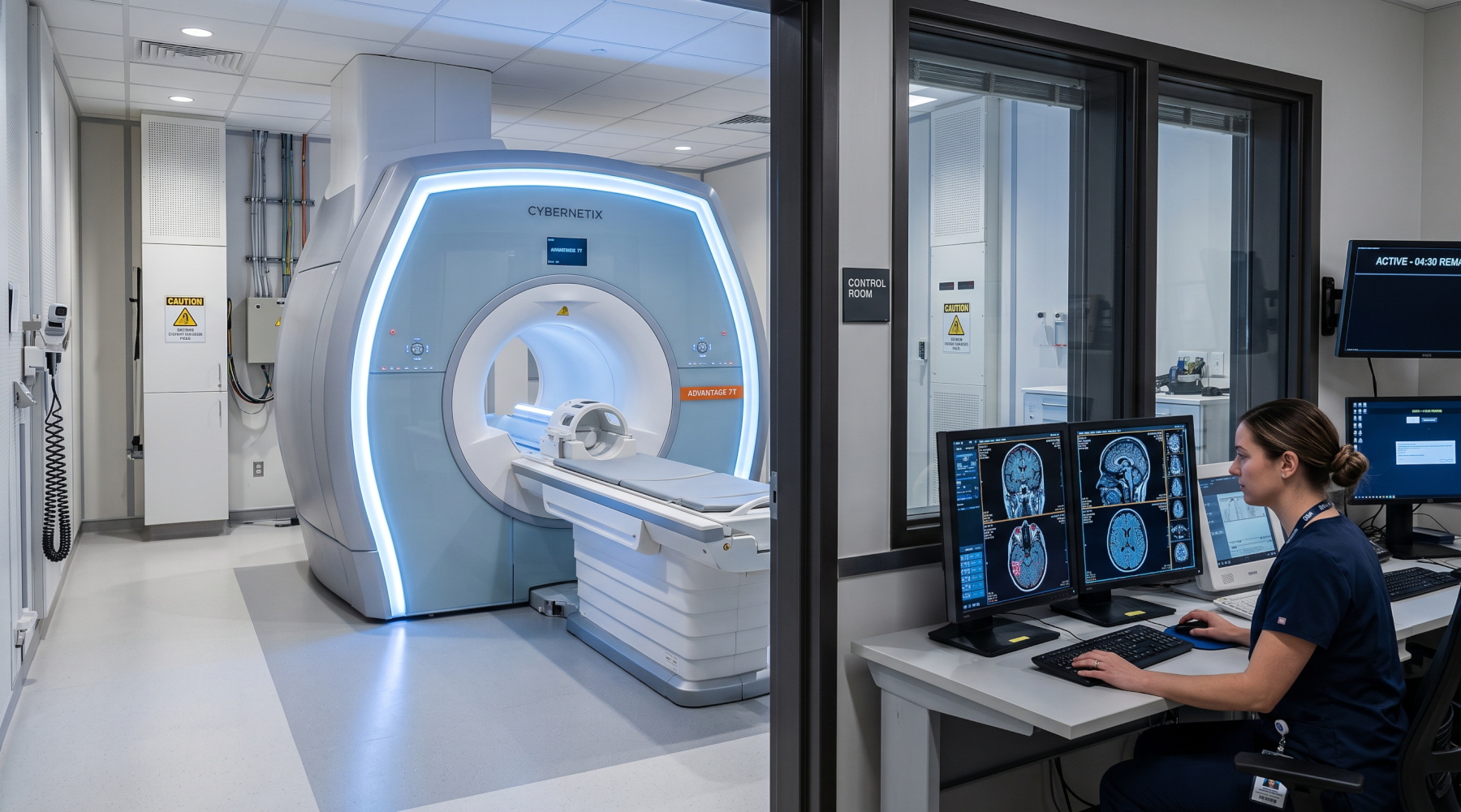
MRI systems
Mammography systems
C-arm systems
Before purchasing imaging equipment, buyers should evaluate the technical specification, infrastructure requirements, installation requirements and after-sales support.
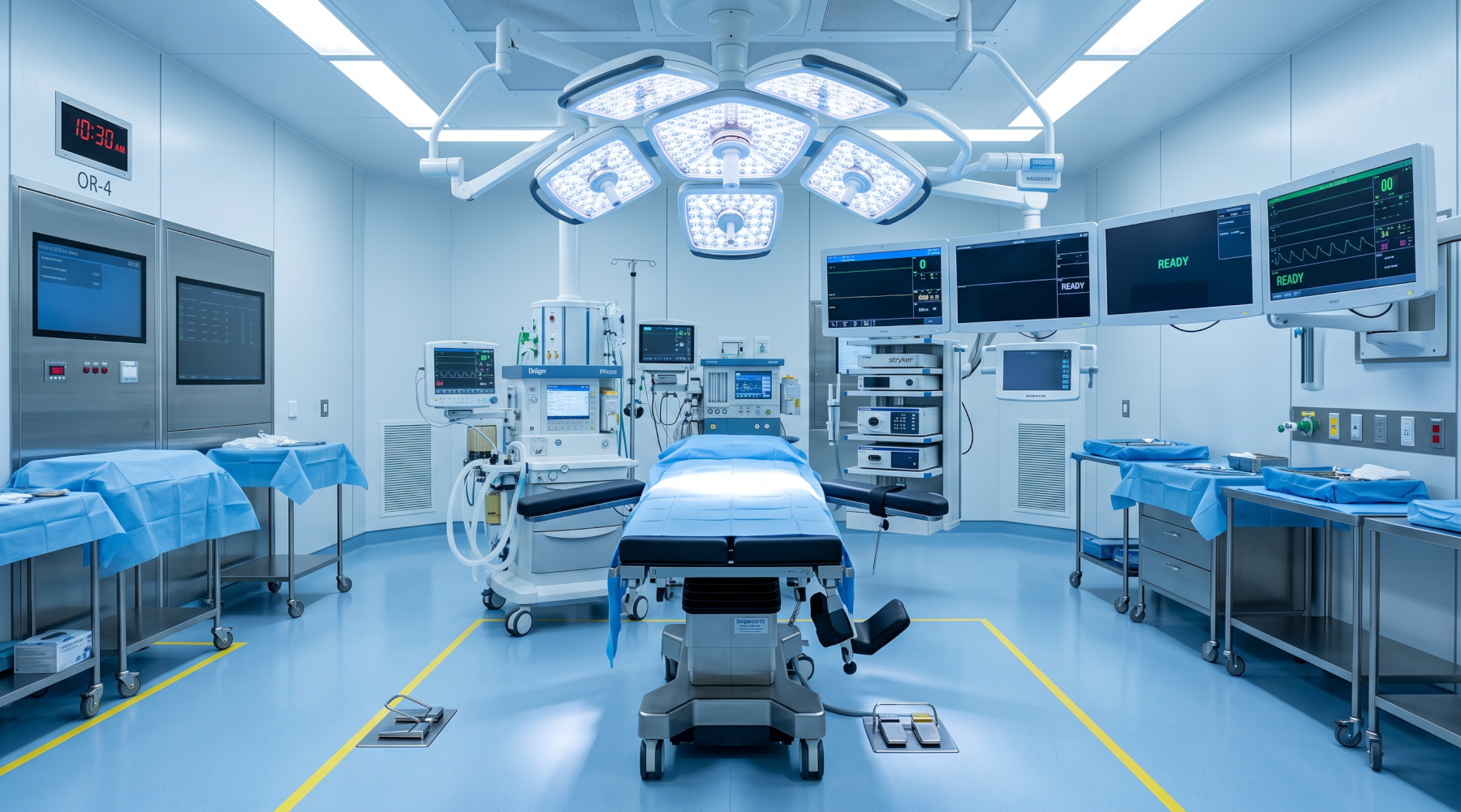
Operating rooms can require:
Operating tables
Surgical lights
Anesthesia machines
Patient monitors
Electrosurgical units
Surgical suction systems
Surgical instruments
Operating room accessories
The final configuration should be based on the surgical procedures performed by the hospital.
ICU equipment may include:
ICU beds
Ventilators
Patient monitors
Infusion pumps
Syringe pumps
Defibrillators
Suction systems
Central monitoring
For critical care equipment, technical condition, service history and support availability should be carefully evaluated.
Laboratory equipment may include:
Hematology analyzers
Biochemistry analyzers
Immunoassay systems
Coagulation analyzers
Electrolyte analyzers
Centrifuges
Microscopes
Laboratory refrigerators
Incubators
Autoclaves
The correct laboratory configuration depends on the diagnostic tests and expected workload.
Healthcare facilities may require:
Steam sterilizers
Low-temperature sterilizers
Washer disinfectors
Ultrasonic cleaning systems
Sterilization accessories
Sterilization equipment should be selected according to the facility's infection-control procedures and instrument-processing requirements.
New equipment may be suitable for projects that require:
Current technology
Manufacturer warranty
New equipment condition
Specific technical specifications
Long-term support
For critical clinical applications, buyers may prioritize new systems.
However, each equipment category should be evaluated individually.
Refurbished equipment can be considered as an alternative for healthcare projects seeking to optimize capital expenditure. However, Tunisian buyers should carefully evaluate the equipment. Important questions include:
How old is the equipment?
What is its operating history?
Has it been professionally serviced?
Is maintenance documentation available?
Has it been tested?
Has it been calibrated where applicable?
What software version is installed?
Which accessories are included?
Are spare parts available?
What warranty is provided?
The condition of refurbished equipment should be documented and evaluated before purchase.
International medical equipment procurement requires coordination between the Turkish supplier and the Tunisian importer. Before shipment, the buyer and supplier should confirm:
Product specifications
Quantity
Commercial terms
Documentation
Packaging
Shipping method
Import requirements
Delivery location
Installation requirements
Warranty
The exact import and regulatory requirements can vary according to the equipment category. Tunisian importers should therefore verify the current applicable requirements before placing an order.
Depending on the product, the procurement file may include:
Commercial invoice
Packing list
Product specifications
Manufacturer information
Technical documentation
User manuals
Certificates where applicable
Warranty documentation
Serial numbers
Maintenance records
Calibration information where applicable
Shipping documentation
Documentation requirements should be established before shipment.
Hospital projects often require coordinated procurement across several departments. A hospital may require equipment for:
Emergency
ICU
Operating rooms
Radiology
Laboratory
Maternity
Neonatal care
Sterilization
Inpatient departments
Outpatient clinics
Instead of purchasing equipment separately, a department-based procurement plan can make the project easier to manage.
A new hospital may require much more than individual equipment purchases.
A project can involve:
Needs Analysis → Department Planning → Equipment List → Procurement → Logistics → Installation → Training → Technical Support
This approach can help investors coordinate equipment requirements across multiple departments. For example, an operating room project may need operating tables, surgical lights, anesthesia systems, patient monitoring and other accessories. At the same time, the radiology department may require imaging equipment, while the laboratory needs specialized analyzers. A centralized equipment strategy can help connect these requirements.
Private clinics often have focused equipment requirements. Depending on their specialty, they may require:
Ultrasound
ECG
Patient monitors
Examination equipment
Procedure equipment
Sterilization systems
Laboratory equipment
The appropriate equipment should be selected according to the clinic's clinical services, patient volume and investment budget.
Medical distributors may be interested in establishing long-term relationships with Turkish suppliers. Important supplier characteristics can include:
Product range
Reliable communication
Technical documentation
Competitive commercial conditions
Product availability
Warranty
Spare parts
Technical support
Export experience
A reliable Turkish supplier can become an important sourcing partner for distributors serving hospitals and clinics in Tunisia.
Medical equipment needs support throughout its lifecycle. Depending on the device, this may include:
Installation
Commissioning
Preventive maintenance
Corrective maintenance
Calibration
Technical inspection
Troubleshooting
Spare parts
User training
For healthcare organizations, technical support can help reduce downtime and improve equipment availability. MAK MEDIKAL provides medical and biomedical technical services for international healthcare customers.
MAK MEDIKAL is a Turkey-based healthcare company supplying medical equipment and healthcare solutions to international customers. Our capabilities include:
Medical devices
New medical equipment
Refurbished medical equipment
Medical consumables
Hospital setup
Laboratory equipment
Imaging equipment
Operating room equipment
ICU equipment
Sterilization systems
Biomedical technical services
Maintenance
After-sales support
For Tunisian hospitals, clinics and distributors, MAK MEDIKAL can help evaluate medical equipment requirements and develop a procurement strategy from Turkey.
A practical procurement process can follow these stages.
The Tunisian buyer provides an equipment list or explains the healthcare project.
Suitable equipment options are identified.
The buyer reviews specifications, accessories and equipment condition.
The supplier prepares a detailed quotation.
Relevant documentation is confirmed.
The approved equipment is prepared for export.
The equipment is transported from Turkey to Tunisia.
Where included, installation and commissioning are coordinated.
Users and technical personnel can receive appropriate support according to the project scope.
The total cost of sourcing medical equipment from Turkey should include more than the purchase price.
Consider:
Equipment + Shipping + Import Costs + Installation + Training + Maintenance + Spare Parts
For refurbished equipment, buyers should additionally evaluate maintenance history, technical condition and remaining service life. This creates a more realistic comparison between suppliers and equipment options.
Medical equipment procurement does not end with the first shipment. Hospitals and clinics may later require:
Replacement equipment
Additional departments
Medical consumables
Spare parts
Maintenance
Technical service
Equipment upgrades
A long-term relationship with a reliable supplier in Turkey can make future procurement more efficient.
The commercial relationship between Turkey and Tunisia creates opportunities for cooperation in healthcare and medical equipment. For Tunisian healthcare organizations, Turkey can provide access to medical equipment suppliers, technical expertise and international procurement options. Potential areas include:
Hospital equipment
Medical devices
Laboratory equipment
Medical consumables
Refurbished equipment
Hospital setup
Biomedical technical services
Maintenance
This creates opportunities for both individual product procurement and larger healthcare projects.
Sourcing medical equipment from Turkey to Tunisia can provide hospitals, clinics, laboratories and distributors with access to a broad range of medical devices and healthcare solutions. The key to successful procurement is choosing equipment based on clinical requirements, technical specifications, documentation, warranty, maintenance, logistics and long-term support.
Turkey offers Tunisian healthcare buyers a practical international sourcing option, while MAK MEDIKAL combines medical equipment supply with hospital solutions, refurbished equipment and biomedical technical services. If you are a hospital, clinic, laboratory, distributor or healthcare investor in Tunisia looking for medical equipment from Turkey, contact MAK MEDIKAL with your equipment list or project requirements. MAK MEDIKAL can help you evaluate suitable medical equipment solutions and develop a structured procurement strategy from Turkey to Tunisia.
A comprehensive guide to setting up a hospital radiology department. Discover key imaging devices like MRI, CT, X-Ray, Ultrasound, and infrastructure needs.
Explore the ultimate guide to Operating Room (OR) equipment. Learn about surgical tables, anesthesia machines, lighting, and turnkey OR setup solutions.
Discover why Turkey is the leading hub for medical equipment export. Explore turnkey hospital solutions, logistics to Africa & MENA, and top device categories.