

Africa's healthcare sector is developing rapidly. Hospitals, private clinics, diagnostic centers, medical laboratories, and healthcare investors across the continent are continuously looking for ways to expand their capabilities while keeping investment costs under control. One of the most practical solutions is sourcing high-quality refurbished medical equipment from reliable international suppliers.
However, buying refurbished medical equipment is not simply about finding the lowest price. A medical device that appears affordable at first can become an expensive investment if it has an unknown maintenance history, lacks proper testing, requires frequent repairs, or cannot be supported with spare parts and technical service.
For healthcare providers and distributors searching for a refurbished medical equipment supplier in Africa, choosing the right international partner is therefore one of the most important decisions in the procurement process.
A reliable supplier should provide more than equipment. The right partner should offer technical expertise, equipment inspection, testing and calibration, documentation, warranty options, after-sales support, logistics coordination, and a clear understanding of the regulatory and operational requirements of African healthcare markets.
For many African buyers, Turkey has become an increasingly attractive sourcing destination for refurbished medical equipment. Its geographical position between Europe, Asia, and Africa, established medical technology sector, competitive pricing, technical workforce, and access to European-standard equipment make Turkey a strategic procurement hub.
MAK MEDIKAL is positioned to support hospitals, clinics, distributors, laboratories, and healthcare investors looking for reliable medical equipment solutions from Turkey for African markets.
Refurbished medical equipment refers to medical devices that have previously been used but have subsequently undergone a structured inspection, testing, maintenance, repair, cleaning, and quality-control process before being offered for resale.
The exact refurbishment process may vary depending on the device, manufacturer, age, condition, and supplier. However, professional refurbishment should involve considerably more than simply cleaning a used machine and putting it back on the market.
A properly refurbished medical device may undergo:
Technical inspection
Functional testing
Electrical safety testing
Component inspection
Preventive maintenance
Replacement of worn components
Software and system checks
Calibration where applicable
Cleaning and disinfection
Image-quality or performance testing
Final quality-control inspection
Documentation and reporting
This process is particularly important for equipment used in diagnostic imaging, intensive care, surgery, patient monitoring, laboratory applications, and other critical healthcare environments.
The goal of professional refurbishment is to ensure that equipment is operational, safe, reliable, and suitable for its intended clinical application.
For African hospitals and healthcare businesses, refurbished equipment can provide access to advanced technologies without requiring the same capital investment associated with purchasing brand-new equipment.
One of the most important distinctions buyers need to understand is the difference between used medical equipment and refurbished medical equipment.
These terms are sometimes used interchangeably, but they do not necessarily represent the same quality level.
Used medical equipment generally means a device that has previously been installed and operated by another healthcare organization.
A used device may be sold in its existing condition, depending on the supplier.
The buyer may receive limited information regarding:
Previous usage
Maintenance history
Component replacement
Technical condition
Calibration
Software status
Remaining operational life
In some cases, the equipment may work perfectly well. However, without a structured inspection and documentation process, the buyer has a greater level of uncertainty.
Professional refurbished equipment should go through a defined technical process before resale.
This may include inspection, preventive maintenance, replacement of defective components, testing, calibration, cleaning, and final quality control.
The key difference is therefore not simply whether a device has been used before.
The important question is:
What has been done to the equipment after its previous use?
A trustworthy refurbished medical equipment supplier should be able to explain the refurbishment process and provide appropriate technical information about the equipment.
For African buyers, this distinction can make a major difference in long-term operational costs.
Healthcare systems across Africa have different investment requirements, infrastructure levels, clinical priorities, and purchasing capabilities. In many markets, healthcare providers need advanced technology but must operate within strict budget limitations.
Refurbished medical equipment can help bridge this gap.
The most obvious advantage is cost.
Depending on the equipment type, model, age, condition, and availability, refurbished equipment can cost substantially less than equivalent new equipment.
This can allow hospitals and clinics to allocate their investment budgets across a wider range of departments.
Instead of investing an entire budget in a small number of new devices, a healthcare facility may be able to establish or expand several departments using carefully selected refurbished equipment.
Some medical equipment models have established clinical track records and remain widely used even after newer generations enter the market.
For certain applications, purchasing a professionally refurbished previous-generation system can provide an attractive balance between:
Technology
Reliability
Clinical functionality
Availability of spare parts
Purchase price
This can be particularly useful for hospitals and diagnostic centers expanding their services.
New medical equipment may sometimes involve manufacturing lead times, production schedules, and long international procurement processes.
Refurbished equipment is often available from existing inventory.
This can allow healthcare organizations to move more quickly when equipment is required for:
New hospital departments
Clinic expansion
Diagnostic centers
Laboratory projects
Replacement requirements
Emergency procurement
Healthcare investment projects
For developing healthcare markets, the ability to obtain reliable medical technology at a more accessible investment level can support the expansion of diagnostic and treatment capacity.
However, lower cost should never mean lower standards.
The objective should be to identify equipment that provides the right combination of condition, functionality, documentation, technical support, and value.
Selecting a refurbished medical device requires a structured procurement process.
Before placing an order, buyers should evaluate several important areas.
Start with the physical and technical condition of the device.
A professional supplier should be able to provide information about the equipment's current condition and refurbishment status.
Questions to ask include:
What is the equipment's model and serial number?
When was it manufactured?
Where was it previously installed?
How long was it in operation?
What components have been replaced?
Has preventive maintenance been performed?
Has the device been fully tested?
Has it been calibrated where applicable?
Are there any known technical limitations?
Photographs and videos can also be useful during the purchasing process, but visual inspection alone should never replace technical evaluation.
Maintenance history is one of the most valuable pieces of information when evaluating refurbished medical equipment.
A device with a documented service history provides considerably more confidence than equipment with an unknown background.
The buyer should, where available, request information regarding:
Previous maintenance
Preventive maintenance
Major repairs
Component replacement
Software updates
Calibration
Service interventions
Known faults
Operating history
A supplier that is transparent about the equipment's history demonstrates a significantly stronger commitment to professional procurement.
Medical equipment should be tested according to its intended function and technical characteristics.
Testing requirements vary considerably between equipment categories.
For example, diagnostic imaging systems may require performance checks related to image quality, while patient monitoring systems require functional and electrical safety verification.
Laboratory equipment may require accuracy and performance testing specific to its intended application.
The supplier should clearly explain:
What was tested, how it was tested, and what the results were.
Calibration is also important for equipment where measurement accuracy is clinically relevant.
Buyers should request calibration documentation whenever applicable.
Safety is a fundamental consideration when purchasing medical equipment.
Depending on the device category, appropriate checks may include electrical safety testing, grounding verification, insulation testing, leakage current measurements, mechanical inspections, and functional safety checks.
For hospitals and clinics, technical reliability is not merely a financial issue.
It can directly affect clinical workflows and patient care.
This is why a professional refurbishment process should include appropriate safety and functional testing before shipment.
A warranty can provide an additional level of protection for the buyer.
Warranty terms for refurbished equipment can differ depending on:
Equipment type
Manufacturer
Device condition
Supplier
Availability of spare parts
Service arrangements
Destination country
Buyers should never assume that refurbished equipment automatically comes with a standard warranty.
Instead, ask the supplier to provide written warranty terms covering:
Warranty period
Covered components
Technical failures
Labor
Replacement parts
Remote support
On-site support where available
Exclusions
A clear warranty policy is one of the indicators of a professional refurbished medical equipment supplier.
Even a well-maintained medical device will eventually require service.
Before purchasing, buyers should investigate the availability of spare parts.
This is particularly important for older equipment.
Questions to consider include:
Are original or compatible spare parts available?
Can the supplier source critical components?
Is technical service available?
Are consumable components still commercially available?
How long can the equipment reasonably be supported?
A lower purchase price does not necessarily represent better value if the equipment becomes impossible to repair after a relatively short period.
Modern medical devices increasingly depend on software.
Buyers should therefore verify:
Software version
Operating system requirements
Licensing
Network compatibility
DICOM compatibility where relevant
PACS integration where relevant
Connectivity requirements
Cybersecurity considerations
Availability of software support
This is particularly important for imaging equipment and hospital systems that need to communicate with other digital platforms.
Turkey has developed a strong position in the international healthcare and medical technology sector.
Its geographical location provides a significant logistical advantage for buyers in Africa.
Turkey connects Europe, Asia, and Africa, creating efficient transportation routes for international medical equipment shipments.
This is particularly valuable for African buyers who need a balance between European-quality sourcing and competitive procurement costs.
For African distributors and healthcare providers, sourcing from Turkey can simplify logistics compared with sourcing from more distant markets.
Turkey has developed road, sea, and air freight infrastructure connecting it with multiple African destinations.
This can provide advantages in:
Shipping times
Freight planning
Transportation flexibility
Regional distribution
Supplier communication
After-sales coordination
For West, East, North, and Central African markets, Turkey can serve as a practical sourcing base.
Turkey also offers competitive manufacturing, technical service, labor, logistics, and procurement costs.
For refurbished medical equipment, this can be especially attractive because the total acquisition cost is influenced not only by the equipment itself but also by:
Inspection
Refurbishment
Spare parts
Technical service
Packaging
Shipping
Documentation
Installation
Training
A supplier capable of coordinating multiple stages of the procurement process can help African buyers reduce complexity.
Turkey has a large healthcare sector with experienced medical engineers, technicians, hospitals, distributors, and service organizations.
This ecosystem supports the inspection, maintenance, repair, refurbishment, and deployment of different categories of medical equipment.
For international buyers, access to technical expertise is an important part of supplier selection.
African buyers do not necessarily need to limit their search to suppliers physically located in Africa.
An international supplier with established experience in African markets can sometimes provide broader access to equipment and sourcing options.
The important consideration is whether the supplier understands the requirements of the destination market.
A reliable partner should be able to support:
Equipment sourcing
Technical inspection
Refurbishment
Documentation
Export preparation
Shipping
Customs documentation
Installation
Technical service
Training
Spare parts
After-sales support
This is where a Turkey-based supplier with international experience can provide significant value.
MAK MEDIKAL provides medical equipment solutions for international healthcare markets, including African countries.
The company works with healthcare providers, distributors, clinics, hospitals, laboratories, and healthcare investors seeking medical technology and equipment from Turkey.
Its approach goes beyond simply selling individual devices.
MAK MEDIKAL can support different stages of the procurement process, helping international customers identify appropriate equipment according to their technical, clinical, and budget requirements.
For buyers interested in refurbished equipment, this approach is particularly important because equipment selection should be based on the intended application rather than simply the model or price.
The right device for a diagnostic center, for example, may not be the right device for a large hospital.
Likewise, equipment intended for a private clinic may have different requirements from equipment intended for a public hospital or regional medical center.
MAK MEDIKAL can help international buyers evaluate these requirements and develop suitable procurement solutions.
One of the advantages of working with an experienced medical equipment supplier is the ability to think beyond individual products.
African healthcare investors may require complete departments rather than a single machine.
For example, a project may require equipment for:
Intensive care units
Operating rooms
Emergency departments
Radiology departments
Laboratories
Dental departments
ENT units
Gynecology departments
Cardiology units
Patient rooms
Outpatient clinics
In these situations, equipment selection should be coordinated as part of an integrated project.
MAK MEDIKAL also provides hospital setup and medical equipment solutions, allowing buyers to explore broader procurement requirements rather than managing every equipment category independently.
This can be particularly valuable for new hospitals, private clinics, diagnostic centers, and healthcare expansion projects across Africa.
The purchasing process does not end when the equipment arrives.
Medical equipment requires appropriate installation, maintenance, troubleshooting, and technical support throughout its operational life.
This is especially important for refurbished devices.
A professional supplier should therefore be able to explain what happens after delivery.
Potential services may include:
Installation
Commissioning
Preventive maintenance
Corrective maintenance
Technical troubleshooting
Spare parts support
Equipment training
Remote technical assistance
On-site service where available
For African healthcare organizations, access to technical support can have a major impact on equipment uptime.
A hospital cannot afford to have critical equipment remain inactive for extended periods because a technical problem cannot be resolved.
Before purchasing refurbished medical equipment, African buyers can use the following checklist.
1. Does the supplier have international experience?
Look for a company that understands international shipping, documentation, customs procedures, and healthcare procurement.
2. Does the supplier provide equipment-specific information?
You should receive detailed information about the actual device being offered.
3. Is the refurbishment process explained clearly?
Ask what inspection, maintenance, repair, and testing procedures were performed.
4. Is technical documentation available?
Request service records, specifications, test reports, and relevant certificates.
5. Is warranty support available?
Make sure warranty conditions are clearly stated before purchase.
6. Are spare parts available?
Confirm whether the equipment can be supported after installation.
7. Is technical service available?
Ask how technical issues will be handled after delivery.
8. Can the supplier support logistics?
International medical equipment procurement involves more than packing and shipping.
9. Can the supplier support regulatory requirements?
Confirm that the supplier can provide the documentation required for the destination country.
10. Does the supplier understand your clinical requirements?
The equipment should be selected according to the intended medical application, not simply according to price.
The right equipment solution depends on the healthcare facility.
Private clinics may prioritize compact, reliable, cost-effective equipment that provides essential diagnostic and treatment capabilities.
Refurbished equipment can help new clinics establish professional services while managing initial capital expenditure.
Diagnostic centers often require specialized equipment with strong technical performance and reliable service support.
For these facilities, testing, calibration, image quality, software compatibility, and spare parts availability are particularly important.
Hospitals may require equipment across multiple departments.
A supplier capable of providing coordinated procurement can help simplify the process and create a more consistent equipment strategy.
Laboratories require equipment with specific accuracy, reliability, and maintenance requirements.
For laboratory equipment, documentation and technical verification should be carefully reviewed before purchase.
Distributors may require a reliable international sourcing partner capable of supplying different equipment categories according to customer demand.
For distributors in Africa, working directly with a Turkey-based supplier can provide access to a wider range of sourcing opportunities while simplifying communication and procurement.
Medical equipment procurement should not be viewed as a one-time transaction.
Healthcare organizations need long-term support.
A supplier relationship can become increasingly valuable when the supplier understands:
The buyer's equipment portfolio
Existing hospital infrastructure
Preferred manufacturers
Clinical departments
Maintenance requirements
Future expansion plans
Local market conditions
For African distributors, a long-term relationship with a Turkish medical equipment supplier can also create a more stable supply chain.
Instead of searching for a new supplier for every project, distributors can develop an established procurement relationship.
Choosing a refurbished medical equipment supplier in Africa requires careful evaluation.
The cheapest offer is rarely enough information to make the right decision.
A successful procurement process should evaluate:
Equipment condition
Technical testing
Maintenance history
Calibration
Documentation
Warranty
Spare parts
Technical service
Regulatory compliance
Logistics
Total cost of ownership
Supplier experience
For African healthcare organizations, Turkey offers an attractive combination of geographical proximity, competitive procurement costs, technical expertise, and access to international medical equipment markets.
A reliable Turkish supplier can become more than an equipment vendor. It can become a long-term healthcare technology partner.
The demand for reliable and affordable medical equipment continues to grow across Africa.
Refurbished medical equipment provides hospitals, clinics, laboratories, diagnostic centers, distributors, and healthcare investors with an opportunity to access established medical technologies while managing capital investment more effectively.
However, the success of a refurbished equipment purchase depends heavily on supplier selection.
A professional supplier should provide transparency, technical inspection, testing, documentation, warranty options, spare parts support, logistics coordination, and after-sales service.
For African buyers, Turkey stands out as a strategic sourcing destination for medical equipment thanks to its location, logistics infrastructure, technical expertise, competitive costs, and connection to European and international healthcare markets.
MAK MEDIKAL can support African healthcare organizations and distributors looking for medical equipment solutions from Turkey, including refurbished equipment procurement and broader hospital and clinic equipment requirements.
The most important principle is simple:
Do not buy refurbished medical equipment based on price alone. Buy based on verified condition, technical reliability, documentation, serviceability, and long-term value.
When these factors are evaluated together, refurbished medical equipment can become a practical and cost-effective solution for expanding healthcare capacity across Africa.
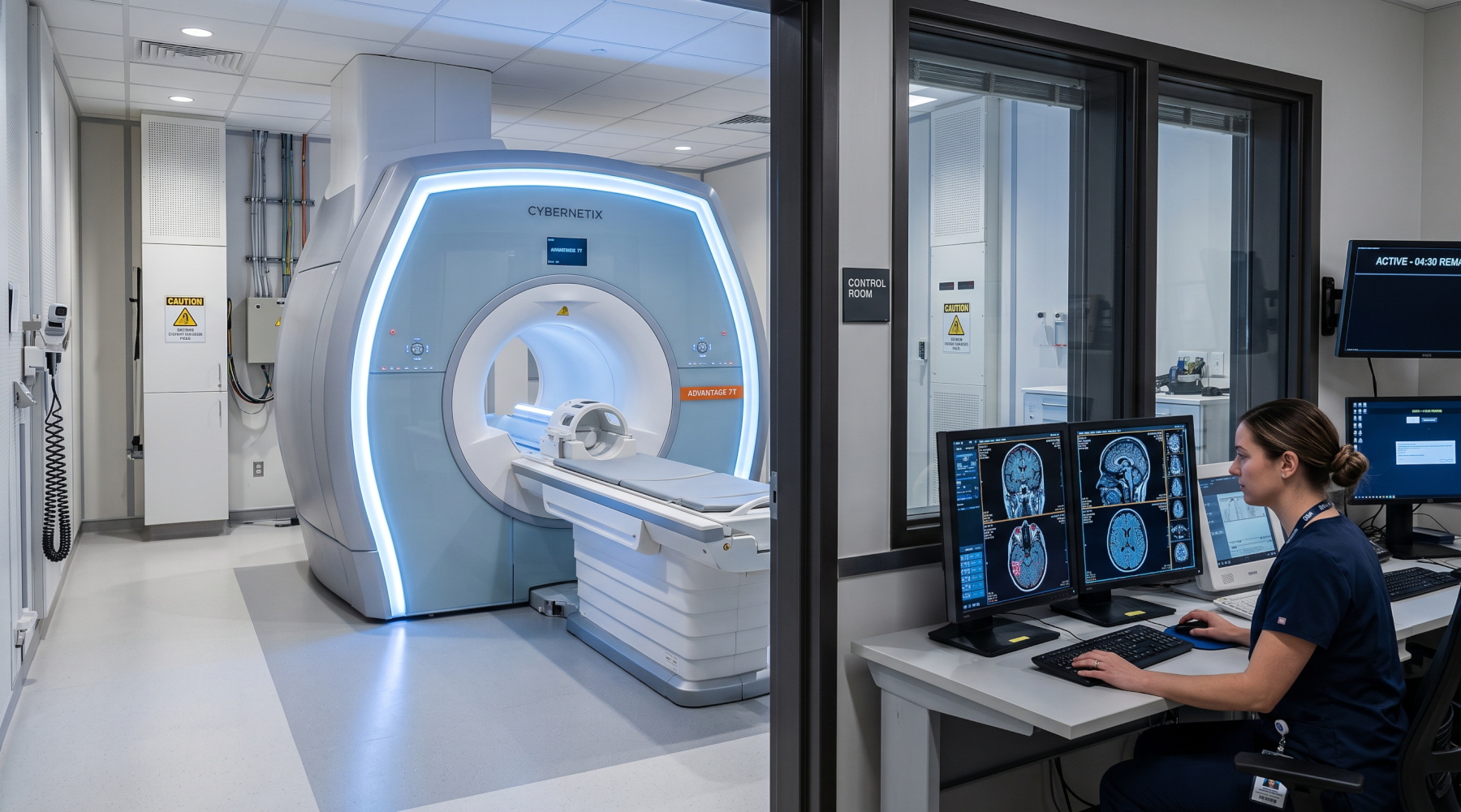
A comprehensive guide to setting up a hospital radiology department. Discover key imaging devices like MRI, CT, X-Ray, Ultrasound, and infrastructure needs.
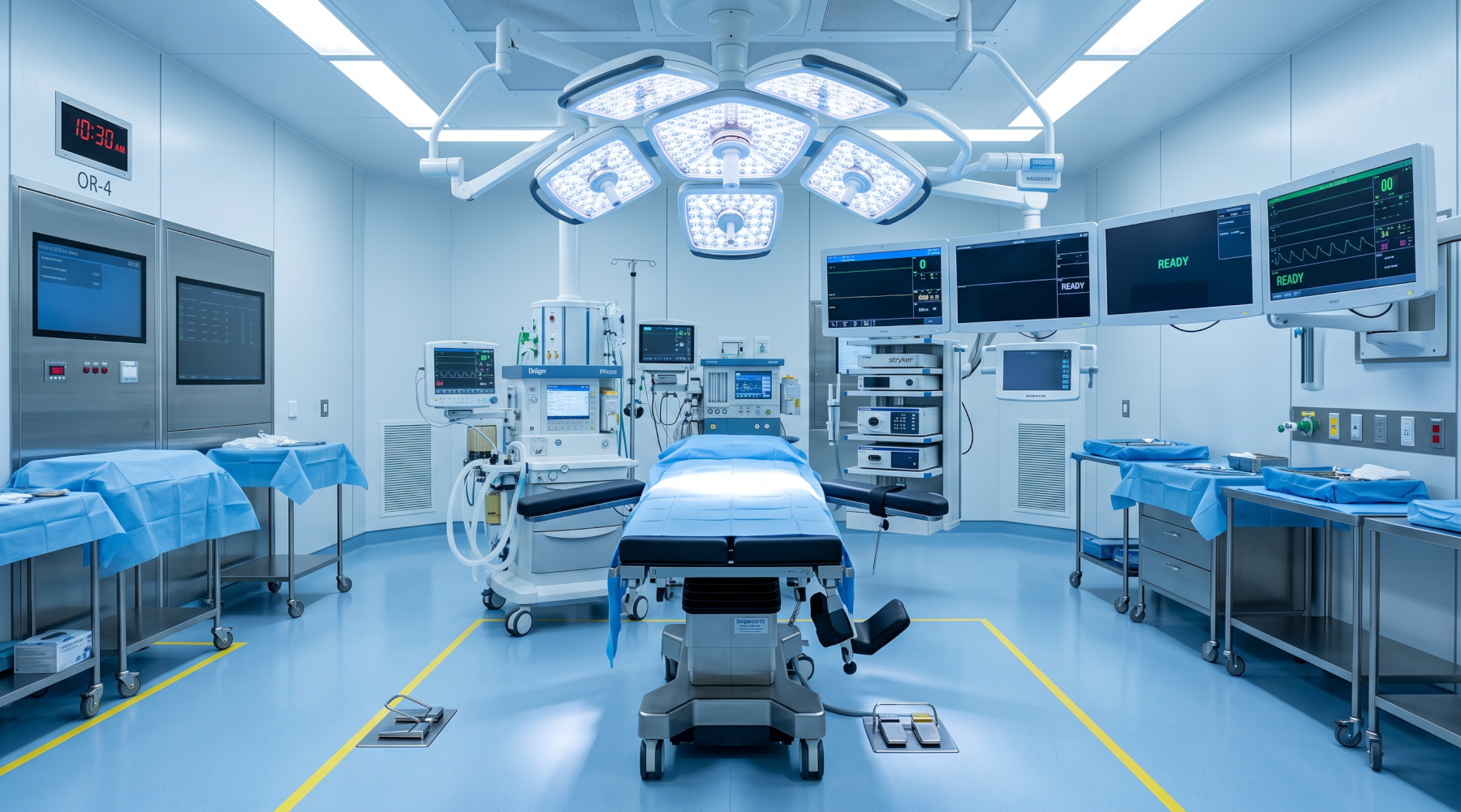
Explore the ultimate guide to Operating Room (OR) equipment. Learn about surgical tables, anesthesia machines, lighting, and turnkey OR setup solutions.
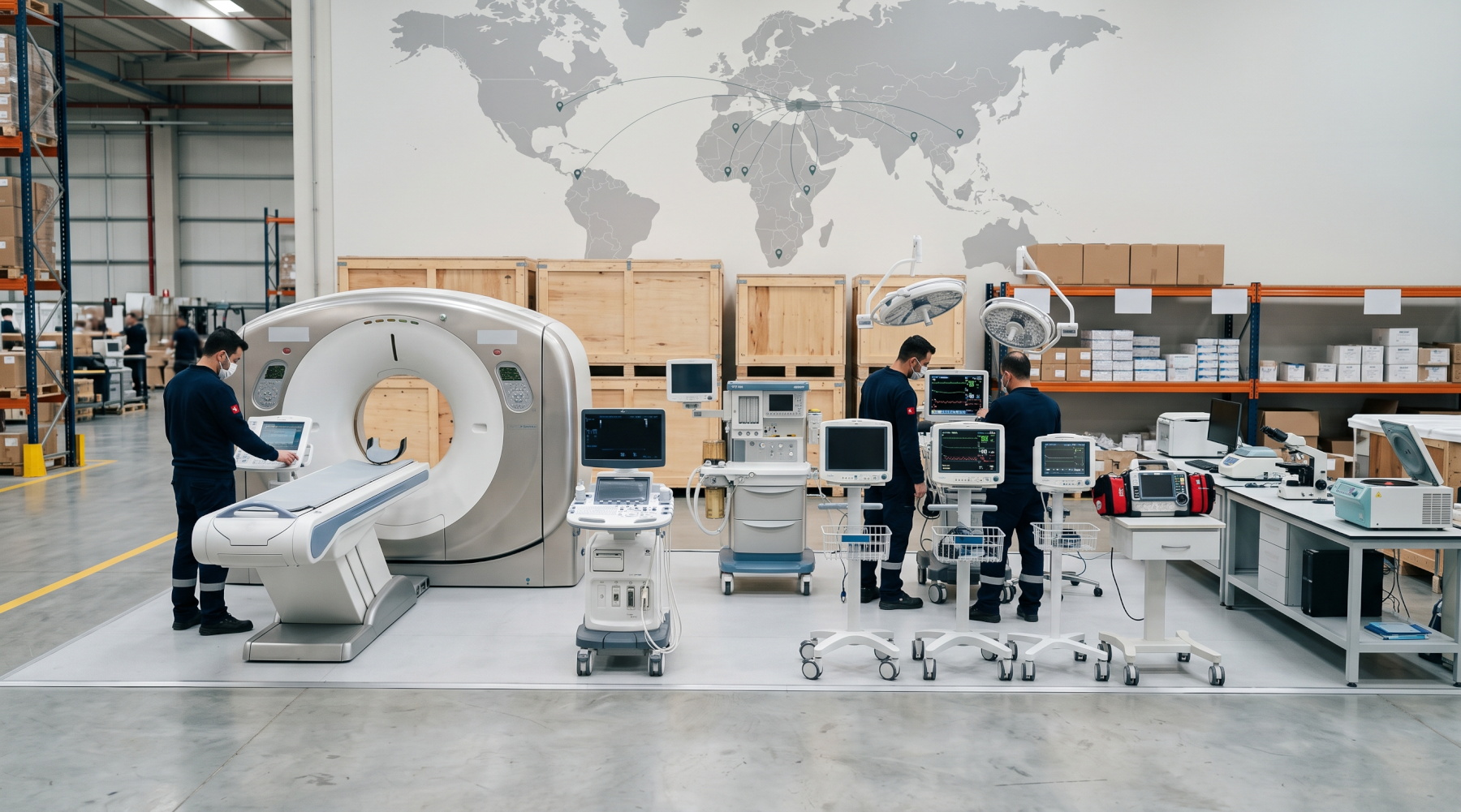
Discover why Turkey is the leading hub for medical equipment export. Explore turnkey hospital solutions, logistics to Africa & MENA, and top device categories.